
Every year, from May to June, the first rains of the season begin to fall across the mountains of Northwest Vietnam, bringing new life to forests, valleys, and villages.
This is also when Lao Cai’s natural landscapes begin to change, offering a different kind of beauty from the colorful flowers of spring or the golden terraced rice fields of autumn.
Important Things to Know When Visiting Lao Cai During the Rainy Season
Along with its unique natural beauty, the rainy season in Lao Cai can also bring challenging weather conditions. With its mountainous terrain, steep mountain roads, and extensive network of rivers and streams, heavy rainfall may cause landslides, flash floods, localized flooding, and disruptions to transportation and sightseeing activities.
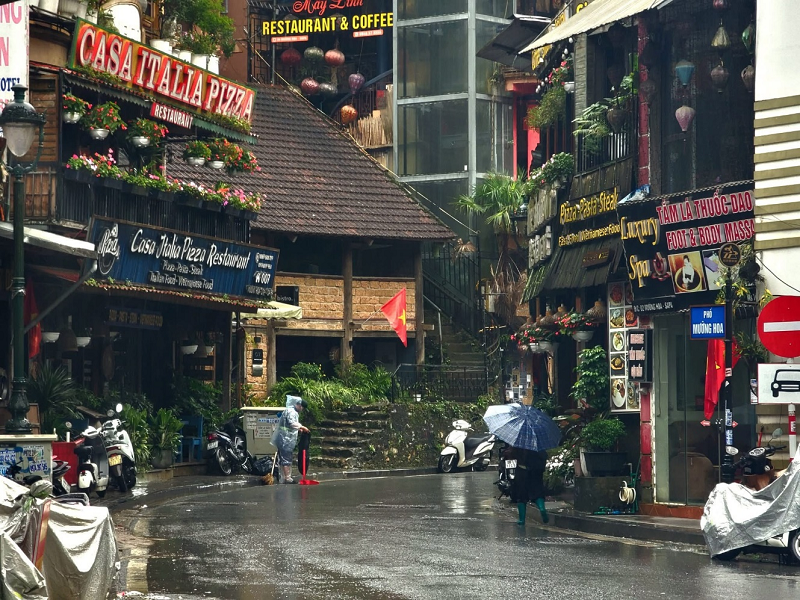
Rainy season in Sapa
Check the weather forecast before your trip. Visitors should regularly check weather forecasts and warnings, especially for heavy rain, thunderstorms, strong winds, flash floods, and landslides. When planning trips to Sa Pa, Y Ty, Mu Cang Chai, or remote mountainous areas, it is important to check road conditions and contact accommodation providers or tour operators to arrange safe transportation.
Choose safe transportation and travel times. Mountain passes such as O Quy Ho and Khau Pha, as well as roads leading to highland villages, may become foggy and slippery during rainy weather, with reduced visibility. Visitors are advised to travel during daylight hours, check their vehicles carefully, maintain a safe distance from other vehicles, and never attempt to cross areas showing signs of landslides, flooded crossings, or fast-flowing floodwater.
Pack suitable clothing and essential items. Lightweight raincoats, non-slip shoes, light jackets, waterproof bags for electronic devices, and basic medicines are useful items to bring. For village visits or hiking trips, travelers should wear clothing suitable for the terrain and carry drinking water and a backup means of communication.
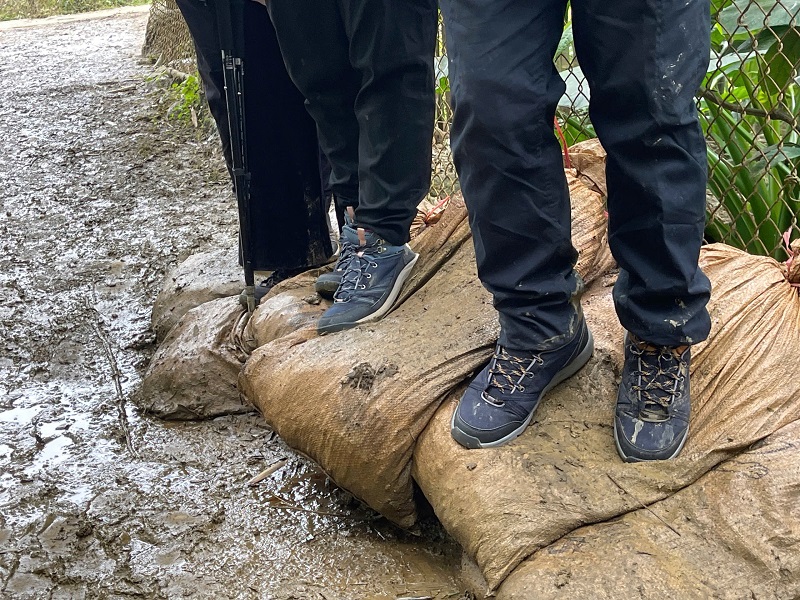
Be careful when planning outdoor activities. Trekking, mountain climbing, exploring waterfalls and forest streams, or taking part in activities on lakes should only be considered when weather conditions are safe and activity providers can ensure appropriate safety measures. Visitors should never enter forests, streams, or areas near cliffs and steep slopes during heavy rainfall. For activities on Thac Ba Lake, travelers must follow the instructions of boat operators, wear life jackets, and avoid taking part when dangerous weather warnings are in effect.
Keep your itinerary flexible and explore local culture. On days when the weather is unfavorable, visitors can choose indoor activities, learn about traditional handicrafts, discover local cuisine, or relax at homestays and other suitable accommodation. These experiences also offer a wonderful opportunity to enjoy the peaceful lifestyle and warm hospitality of local ethnic communities.
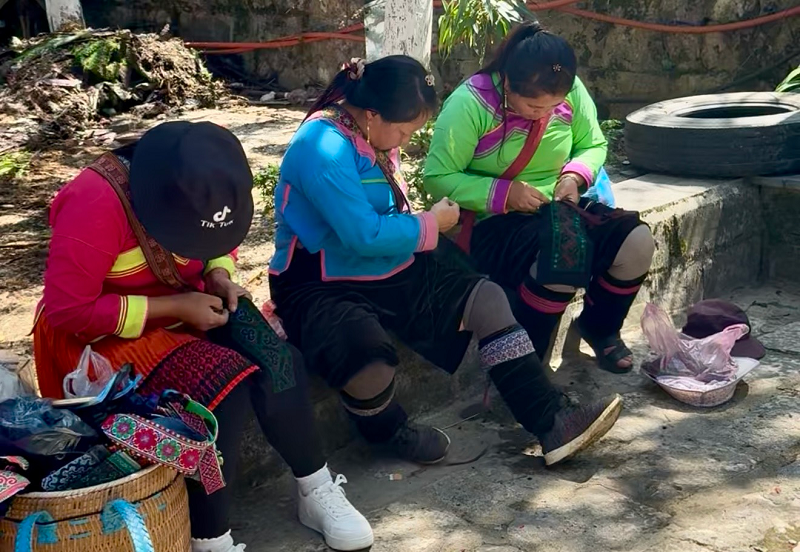
In addition, visitors should respect local customs and traditions, protect the environment, avoid littering at tourist attractions, and inform family members or friends of their travel plans when visiting remote areas.
Explore Lao Cai Safely and Make Every Journey Memorable
The rainy season does not take away from Lao Cai’s tourism appeal. Instead, it brings a different beauty to the landscapes of Northwest Vietnam. Visitors can admire terraced rice fields filled with water at the beginning of the planting season, lush green valleys, villages appearing through the clouds, and the peaceful daily lives of local highland communities.
With careful preparation, suitable travel plans, and attention to safety recommendations, visitors can still enjoy memorable experiences in Lao Cai.
After all, the beauty of a journey is not only found in the places we visit, but also in the peaceful and safe experiences we enjoy and the wonderful stories we bring home from our travels through Northwest Vietnam.
Phuong Thao