
In recent years, as work pressure, daily life demands, and urbanization have continued to increase, the need for places where people can relax, restore their energy, and improve their mental well-being has become a popular trend around the world.
This trend has grown rapidly, making healing tourism (also known as wellness tourism) one of the fastest-growing sectors in the global tourism industry.
Lao Cai is emerging as one of the most promising destinations for this type of tourism. The newly expanded Lao Cai Province now possesses a rare and diverse tourism ecosystem, ranging from high mountains, primeval forests, lakes, and hot mineral springs to traditional ethnic villages rich in cultural identity.
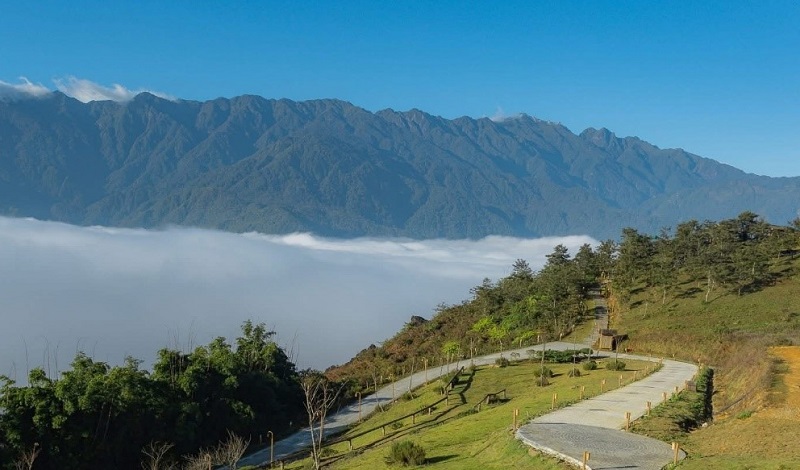
Lao Cai – A Land Rich in Natural Healing Values
Few places in Vietnam offer as many favorable conditions for healing tourism as Lao Cai.
The magnificent Hoang Lien Son mountain range, home to Fansipan Peak – known as the “Roof of Indochina” – together with the sea of clouds in Y Ty, the green valleys of Sa Pa, the spectacular terraced rice fields of Mu Cang Chai, and the peaceful waters of Thac Ba Lake all provide visitors with a sense of relaxation and tranquility.
The cool climate throughout the year in destinations such as Sa Pa, Y Ty, and Suoi Giang makes it easy for visitors to immerse themselves in nature. Many studies have shown that spending time in a natural environment can reduce stress, improve mental health, and enhance overall quality of life.
In addition to its beautiful landscapes, Lao Cai offers ideal settings for meditation, yoga, healing trekking tours, and long-term wellness retreats. These are important factors attracting both domestic and international visitors.
Healing Through Local Culture
One of the unique features of healing tourism in Lao Cai is the harmonious combination of nature and culture.
The province is home to many ethnic groups, including the Hmong, Dao, Tay, Giay, Ha Nhi, and Thai communities. Each group preserves its own cultural heritage, traditional knowledge, and nature-based way of life.
Villages such as Ta Van, Lao Chai, Ta Phin, Nam Cang, Y Ty, Ban Lien, Nghia Lo, and Mu Cang Chai have become attractive destinations for community-based tourism. Here, visitors can work in the fields with local people, harvest tea leaves, prepare traditional food, weave brocade, participate in traditional festivals, or simply enjoy the slow pace of life in the mountains of Northwest Vietnam.
These authentic experiences help visitors reconnect with nature, local communities, and themselves—something that modern life often causes people to lose.
Herbal Baths, Hot Mineral Springs, and Wellness Therapies
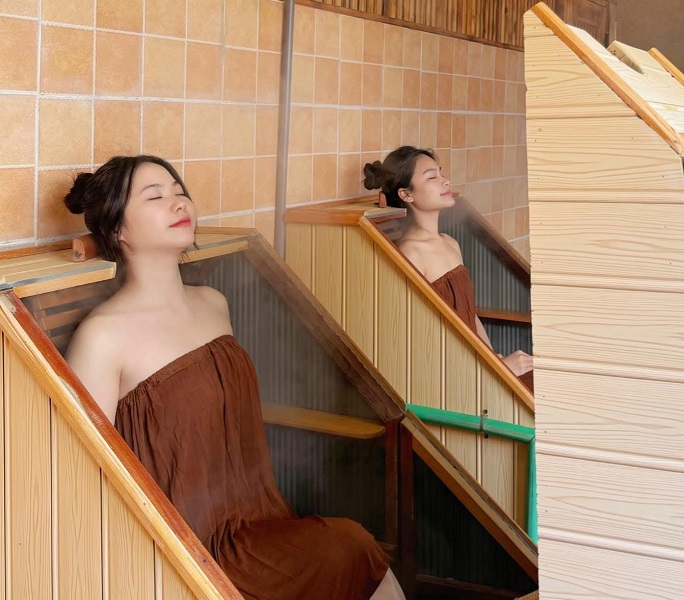
When talking about healing tourism in Lao Cai, it is impossible not to mention the traditional herbal bath of the Red Dao people.
For generations, the Red Dao community has used dozens of natural herbs collected from the forest to improve health, relieve body aches, relax the mind, and restore physical strength. Today, herbal bath services have become one of the most popular tourism experiences for visitors to Sa Pa.
In addition, Tram Tau, famous for its natural hot mineral springs, together with eco-resorts throughout the region, offers opportunities to develop wellness tourism products that combine healthcare, detox programs, yoga, meditation, and natural therapies.
This tourism segment is considered highly promising as the demand for health and wellness services continues to grow.
Spiritual Spaces – Finding Inner Peace
Besides nature and culture, spiritual experiences also contribute to the appeal of healing tourism in Lao Cai.
The spiritual and cultural complex on Fansipan Peak, along with temples, pagodas, and traditional religious sites of local ethnic communities, provides visitors with meaningful spiritual experiences.
Many visitors say that spending time in these peaceful places, surrounded by majestic mountains, helps them feel calmer, reduce stress, and regain balance in their lives.
The Ambition to Become Northern Vietnam’s Leading Healing Tourism Destination
With the advantages of its expanded tourism space, Lao Cai now possesses a rich tourism ecosystem that includes Sa Pa, Y Ty, Bac Ha, Bao Yen, Mu Cang Chai, Nghia Lo, Suoi Giang, Tram Tau, Thac Ba Lake, and many other attractive destinations.
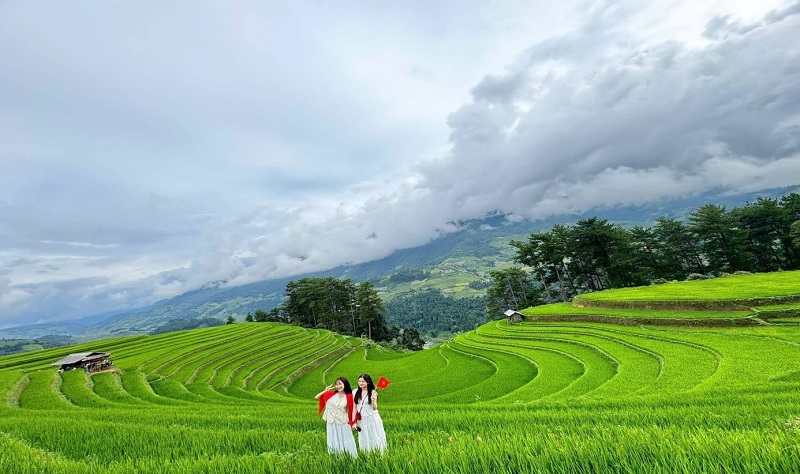
In the future, with further investment in infrastructure, high-quality resorts, wellness services, meditation and yoga programs, and authentic cultural experiences, Lao Cai has the potential to build a strong brand as the “Healing Destination of Northwest Vietnam.”
By combining its outstanding natural beauty, rich cultural heritage, and growing wellness tourism products, Lao Cai can become one of the leading health and wellness tourism centers in Northern Vietnam.
Phương Thảo